Hemisphere vs Ball Mocap Markers: When to Use Which
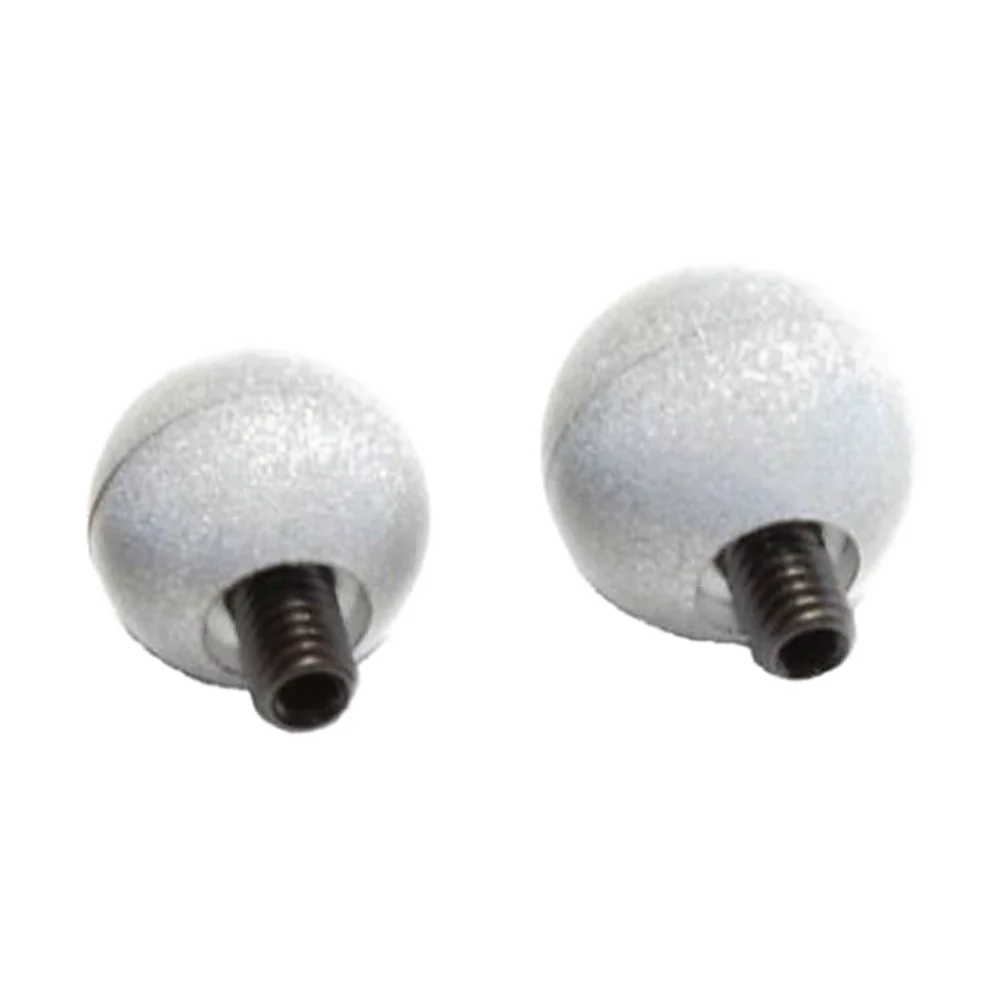
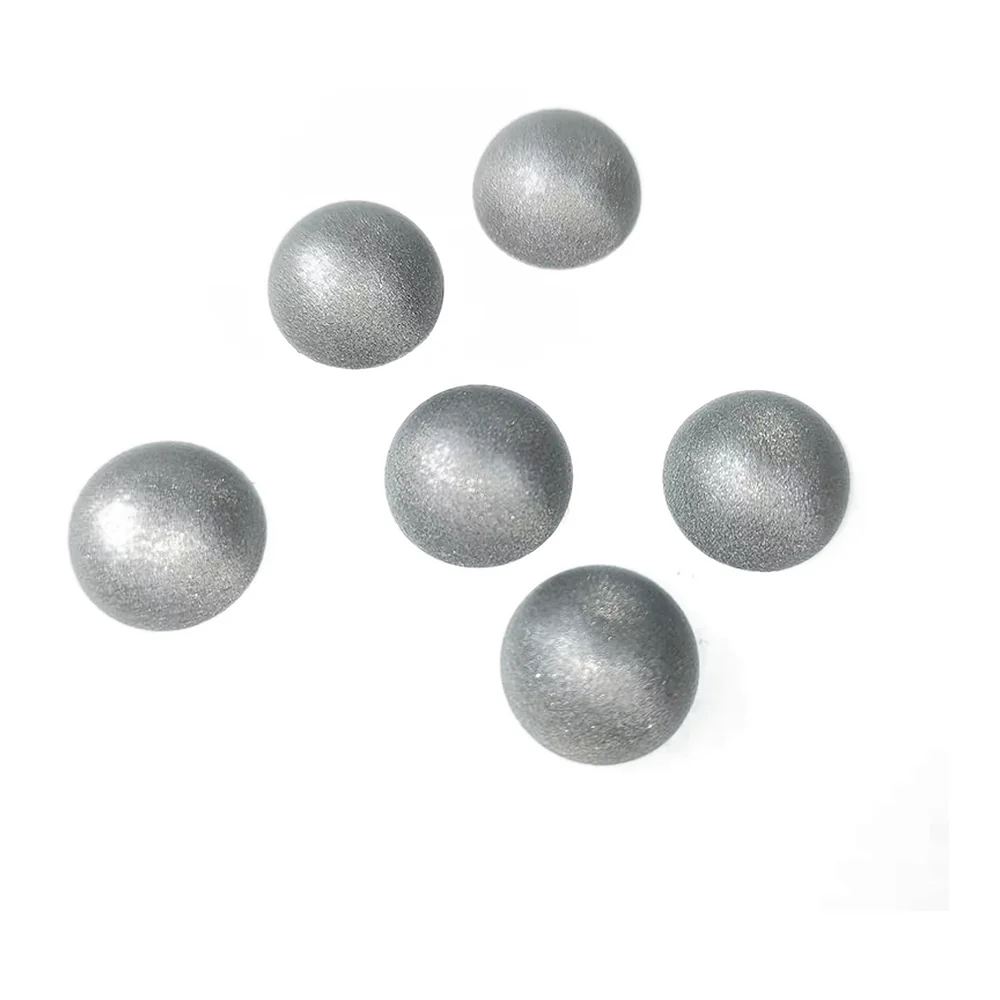
Same optics, different geometry
Both carry the same retroreflective coating. A ball presents a full sphere from every angle; a hemisphere presents a dome that sits flush. The hemisphere trades a little angular return for a profile that clothing, skin and shoes cannot catch.
Kick-off is the real failure mode
In gait and sports capture, markers die by being kicked off, not by fading. A threaded ball standing 10 mm proud of a shoe is a lever; a 3 mm adhesive hemisphere is not. Choose profile by mechanical exposure first, optics second.
Mount decides the family
Balls thread into bases, rods and props (M2/M3/M4). Hemispheres 5–19 mm and micro hemispheres 2–5 mm mount by double-sided adhesive. If the surface can take neither tape nor a thread, use a KJ base with tape.
Placement decision table
Skin landmarks: hemisphere 5–10 mm. Shoes and toes: micro hemisphere 2–5 mm. Rigid props and robots: ball 7.5–14 mm threaded. Large volume and stage: ball 14–19 mm. Colour ID anchors: 15 mm regardless of profile rules.
| Surface | Family | Mount |
|---|---|---|
| Skin / suit | Hemisphere 5–10 mm | Adhesive |
| Shoe / finger | Micro hemisphere 2–5 mm | Adhesive |
| Rigid prop / robot | Ball 7.5–14 mm | M2/M3 thread |
| Stage / large volume | Ball 14–19 mm | M3/M4 thread |
Related pages
Get a factory quote within 24 hours
Send sizes, threads and quantities — or just the scanner or tracking system you run. We answer with a specification match, MOQ and factory pricing.