Coded vs Uncoded Photogrammetry Targets
What a code actually buys
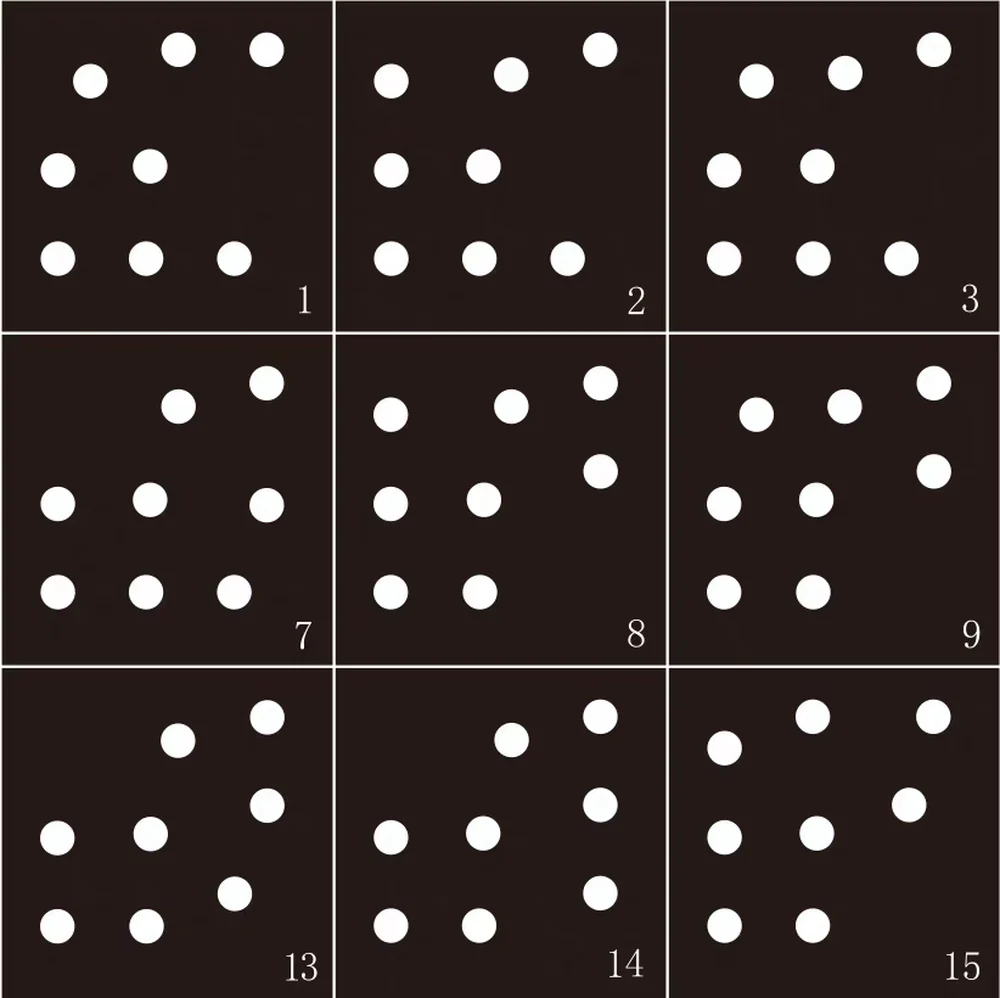
An uncoded dot is anonymous: software matches it by geometry between images. A coded frame carries a digit pattern, so each point keeps its identity across sessions, cameras and merges. Codes cost print area and money; they buy repeatability.
When uncoded is enough
Single-session handheld scanning, dense natural texture, or networks solved in one block: plain reflective dots are faster, cheaper and smaller. Most shop-floor reverse-engineering jobs live here.
When coded pays
Multi-session surveys, UAV ground control, scanner-to-photogrammetry merges, and any network you will re-shoot next month. Frames 45–100 mm with 6–18 mm dots read at survey distances; 25–48 mm frames suit close-range industrial work.
Verify the convention before ordering
Digit layouts differ by package — ring codes, fan codes, SCANTECH-style 7/8-dot. We supply pattern drawings with every coded order so your software owner can confirm recognition on a test sheet.
| Job | Target | Frame / dot |
|---|---|---|
| Single-session handheld | Uncoded dots | inner 3–6 mm |
| Multi-session industrial | Coded | 25–48 mm / 3–8 mm |
| UAV ground control | Coded | 45–100 mm / 8–18 mm |
| Scanner + photo merge | Coded | 48–70 mm / 6–10 mm |
Related pages
Get a factory quote within 24 hours
Send sizes, threads and quantities — or just the scanner or tracking system you run. We answer with a specification match, MOQ and factory pricing.